
Understand system capacity
Evaluate how existing and future loads affect the electrical distribution system and whether infrastructure can support planned changes.
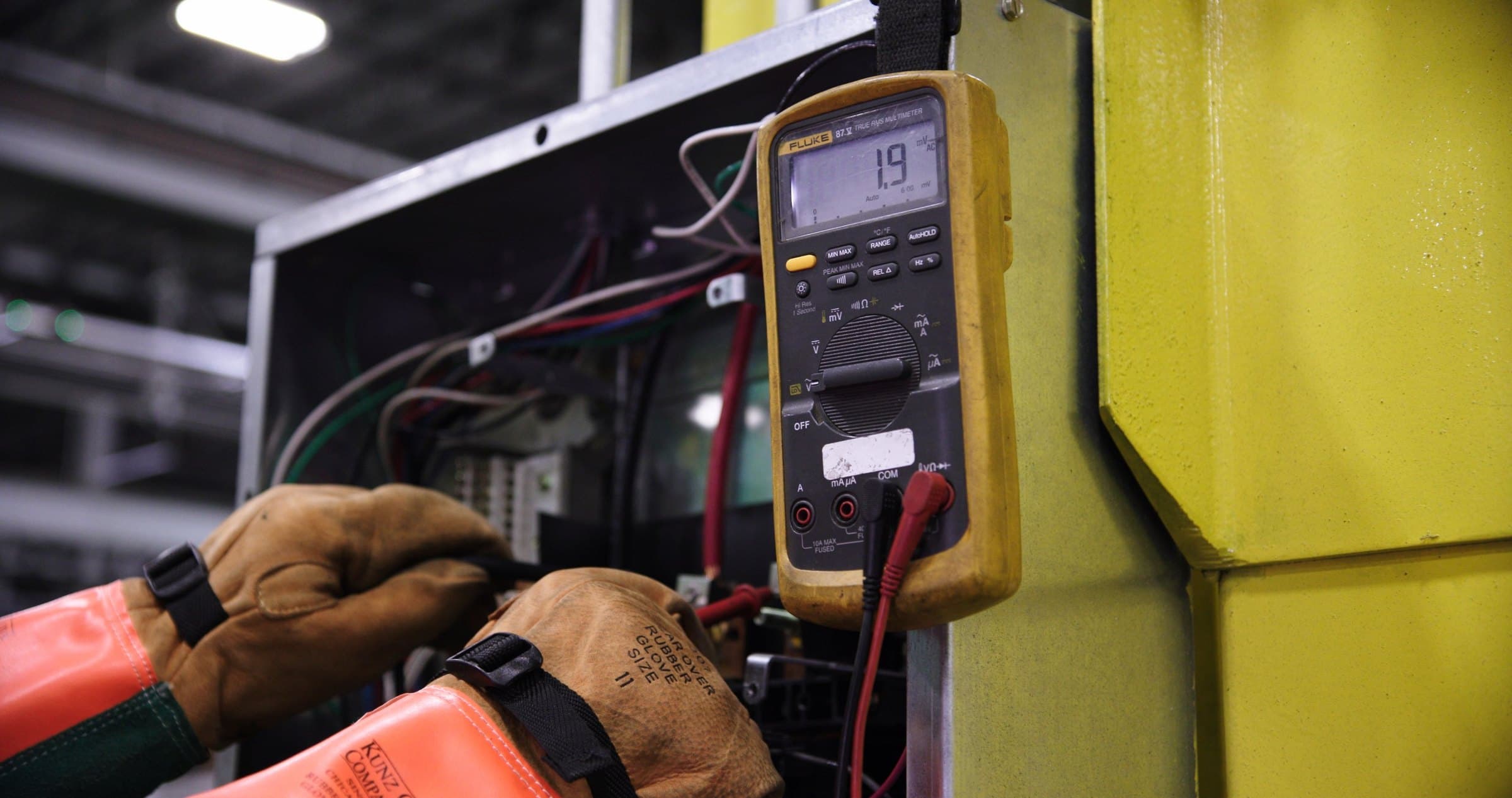
Facility Consulting · Power System Studies
Electrical systems change over time. Loads are added, equipment is replaced, protection settings change and facilities expand. We combine field-verified system data with engineering analysis from Schneider Electric Consulting Services to evaluate capacity, protection, fault conditions and overall system performance.
Why it matters
Electrical distribution systems operate as connected networks. Adding equipment, changing a breaker, replacing a transformer or modifying a power source can affect available fault current, system capacity, protection and equipment throughout the facility. Power system studies provide the engineering analysis needed to understand those relationships before decisions are made.
Facilities across the Bahamas and the wider Caribbean also have to plan around the real possibility of extended outages, driven by hurricanes, lightning and aging utility infrastructure, which makes understanding how the system will actually perform under different conditions even more important.
Evaluate how existing and future loads affect the electrical distribution system and whether infrastructure can support planned changes.
Understand how protective devices respond to faults and whether the system is configured to limit the extent of an interruption.
Evaluate fault energy, equipment ratings, system architecture and potential vulnerabilities that may affect personnel safety or continuity of operations.
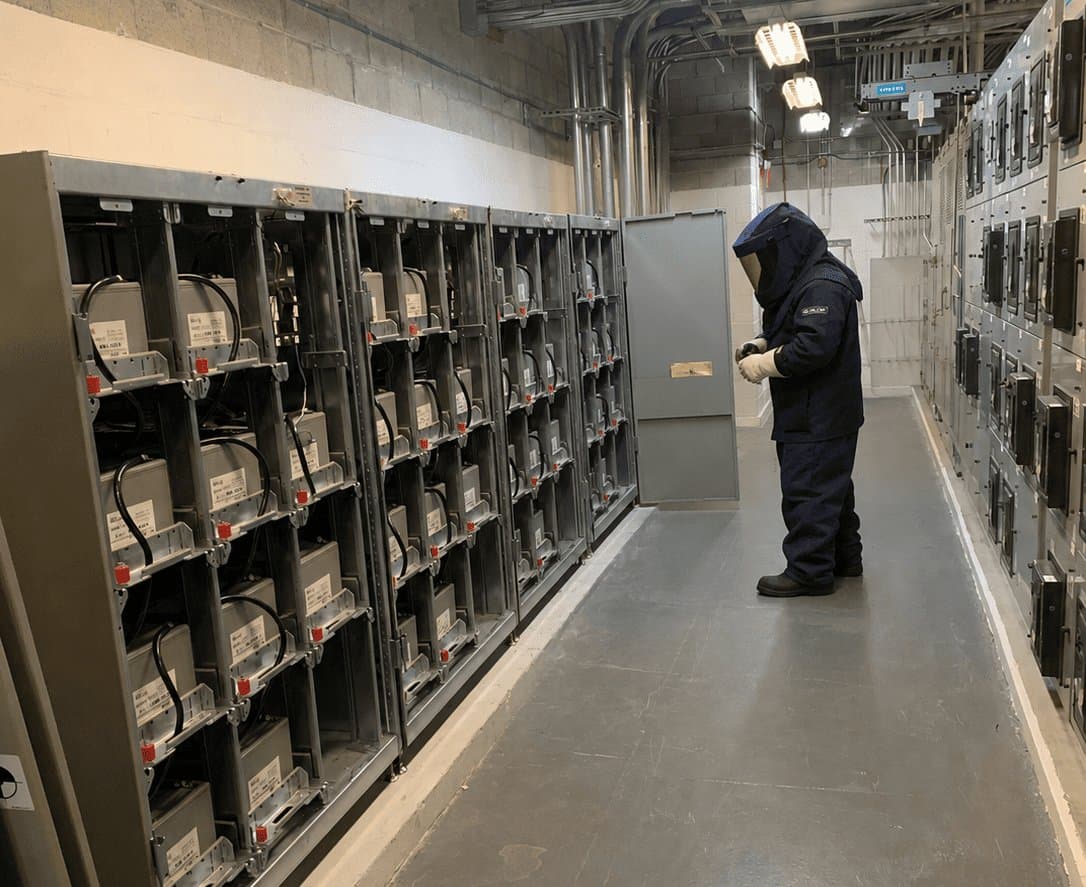
Facility Consulting · Power System Studies
Designed power system studies deliveryOur approach
Reliable analysis starts with reliable information. We begin by reviewing available single-line diagrams, equipment data, protection settings and operating conditions. Where documentation is incomplete, field verification can help establish the information required to develop an accurate system model. The scope is then developed around the system conditions and decisions that need to be evaluated.
nuValence works with Schneider Electric Consulting Services to develop the system model and perform the required engineering analysis. Depending on the scope of the engagement, this may include:
What we deliver
Power system studies can be performed individually or combined where several analyses depend on the same electrical system model and field data.
When to consider a power system study
Power system analysis may be appropriate when:
The required analysis depends on the project and the question being answered. Not every engagement requires every study.
How we work
We begin with the project, operational concern or infrastructure decision the study needs to support.
Electrical drawings, equipment information, protection settings and operating conditions are reviewed and field-verified where required.
nuValence performs the appropriate engineering analysis, in collaboration with Schneider Electric Consulting Services, to evaluate system capacity, fault behavior, protection, safety or resilience.
Findings are translated into clear recommendations that can support equipment selection, system modifications, modernization planning or additional investigation.
Frequently asked
Electrical distribution systems operate as connected networks. Adding equipment, changing a breaker, replacing a transformer or modifying a power source can affect available fault current, system capacity, protection and equipment throughout the facility, not only at the point where the change is made. A power system study provides the engineering analysis needed to understand those relationships before a decision is made.
Not every engagement requires every study. Power system studies can be performed individually or combined where several analyses depend on the same electrical system model and field data, and the required analysis depends on the project and the specific question being answered.
A short circuit analysis determines the electrical fault current that could be present at different points in the system, to verify that breakers, switchgear and other equipment have adequate interrupting and withstand ratings. An arc flash hazard analysis evaluates the potential arc flash energy at electrical equipment, which supports safer work practices, equipment labeling and selection of personal protective equipment, and may reference IEEE 1584. The two answer different questions and are often performed together.
That's a common starting point, not a barrier. Where documentation is incomplete, field verification can help establish the information required to develop an accurate system model before the analysis begins.
Common triggers include adding significant new electrical loads, expanding or renovating a facility, installing or replacing generators, transformers or switchgear, modifying protective devices or breaker settings, or having electrical studies that are outdated or no longer reflect the facility as it exists today.
Some of what we hear is almost the same across different facilities: a generator overloading or shutting down for no clear reason and then running normally after a restart, or simply wanting to know why a breaker tripped, often with the assumption that the equipment itself must be at fault. In most of these situations, the electrical system as a whole, not a single piece of equipment, is the more likely place to start looking.
Protective device coordination evaluates how breakers, fuses and other protective devices respond to fault conditions. Time current curves (TCCs) are used to compare device operating characteristics and determine whether faults can be isolated as close as practical to the affected portion of the system, helping reduce unnecessary interruption to unaffected equipment and operations.
System reliability and resilience analysis evaluates the electrical system architecture to identify vulnerabilities, equipment dependencies and potential single points of failure. It helps a facility team understand how failures or planned outages may affect operations, and evaluate opportunities for redundancy or alternate power paths.
Facilities across the Bahamas and the wider Caribbean have to plan for extended outages as a real possibility, driven by hurricanes, lightning and other weather-related events, as well as aging utility infrastructure. Prolonged outages tied to grid conditions are not a hypothetical risk in this region. They are something facilities here have experienced directly. A resilience and redundancy analysis identifies where a facility depends on a single power path, a single piece of equipment or a single utility feed, so that dependency can be addressed as part of planning rather than discovered in the middle of an outage.
Generator maintenance is recommended by the equipment manufacturer and requires a scheduled window when the generator is taken out of service. Battery systems and other backup electrical equipment require the same kind of planned downtime. During that window, a facility is often relying on bypass, without the backup protection normally in place, and in a region where extended outages are a real possibility, that window carries more exposure than it would elsewhere. Maintenance planning and resilience planning are treated as part of the same process rather than as separate concerns.
Automatic transfer switches don't always include overvoltage protection, or it isn't always enabled, so equipment on the other side of a transfer can be exposed to voltage the transfer switch was never set up to screen out. The tolerances of sensitive equipment, particularly UPS units, need to be coordinated directly with the ATS and generator settings rather than assumed to line up automatically. We've seen client outages result from that coordination being missed. The voltage fluctuation that triggers this in the first place is really a power quality question, covered in more detail under Power Quality Studies, but the transfer switch and coordination side of it is squarely a system protection question.
Every engagement begins with a preliminary assessment with the client to understand the problem or request and collect whatever documentation is already available. From there, nuValence works with Schneider Electric Consulting Services to develop a plan: sometimes that means a preliminary onsite engagement to gather additional information or develop drawings, and sometimes the information already available is enough to build the full proposal directly. The stages of the engagement are then outlined together, so detailed onsite information can be collected where it's needed. Schneider Electric Consulting Services applies its engineering experience and expertise to analyze that information and may identify follow-on tasks as the picture becomes clearer. Throughout, the intent stays the same: get the facility to the outcome they came to us for.
The nuValence difference
Where required, our local technical team can verify equipment, protection settings and system conditions rather than relying entirely on legacy documentation.
We begin with the question the facility needs to answer and work with Schneider Electric Consulting Services to determine which analysis is appropriate, rather than treating every project as the same package of studies.
Study results are considered alongside how the facility operates, what the infrastructure supports and the consequences of an interruption.
Where changes are recommended, nuValence can support the next stage through modernization planning, equipment selection, implementation and ongoing support.
Specialized engineering support
nuValence provides local site assessment, field verification, data collection and technical coordination, in collaboration with Schneider Electric Consulting Services for specialized power system modelling and engineering analysis.
This approach connects detailed engineering analysis with knowledge of the physical facility and its operating environment.
Related
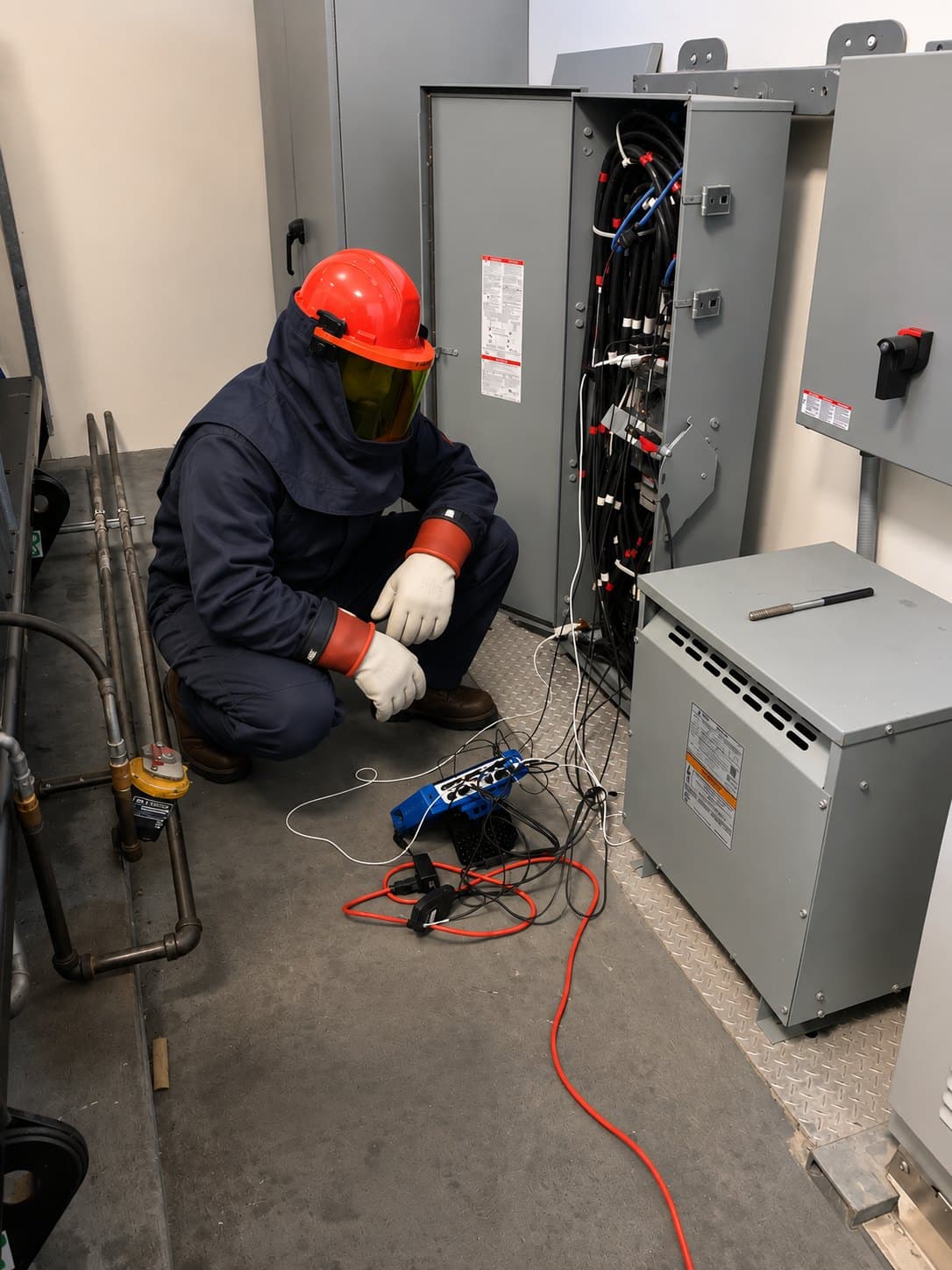 Facility Consulting
Power quality problems can cause equipment faults, unexpected shutdowns, overheating…
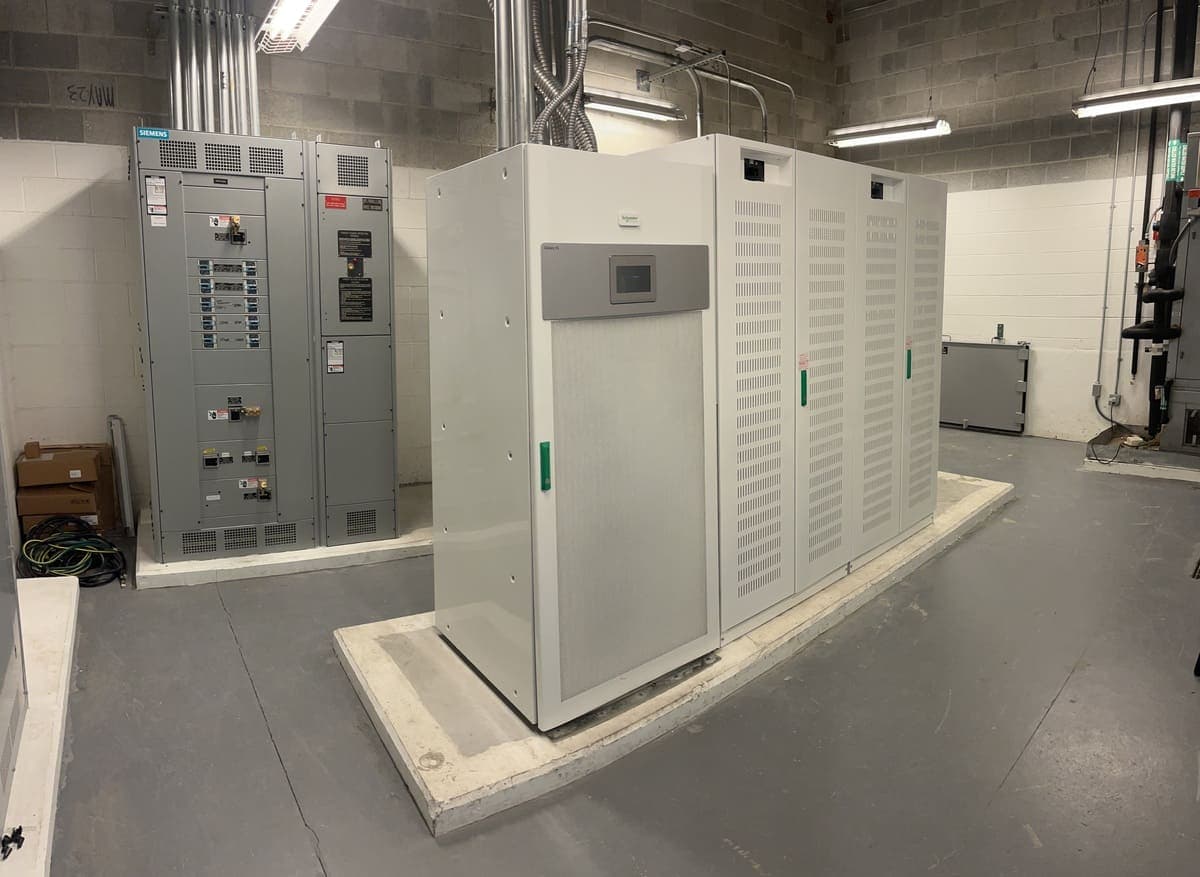 Facility Consulting
Infrastructure projects often begin with a known need but no clearly defined path fo…
 Facility Consulting
Electrical safety requires more than a study or a set of labels. nuValence works wit…
Start the conversation
Start with the decision you need to make. Tell us what is changing, what you are concerned about or what you need to understand, and we can help determine the appropriate system assessment or engineering study.