
Understand what you have
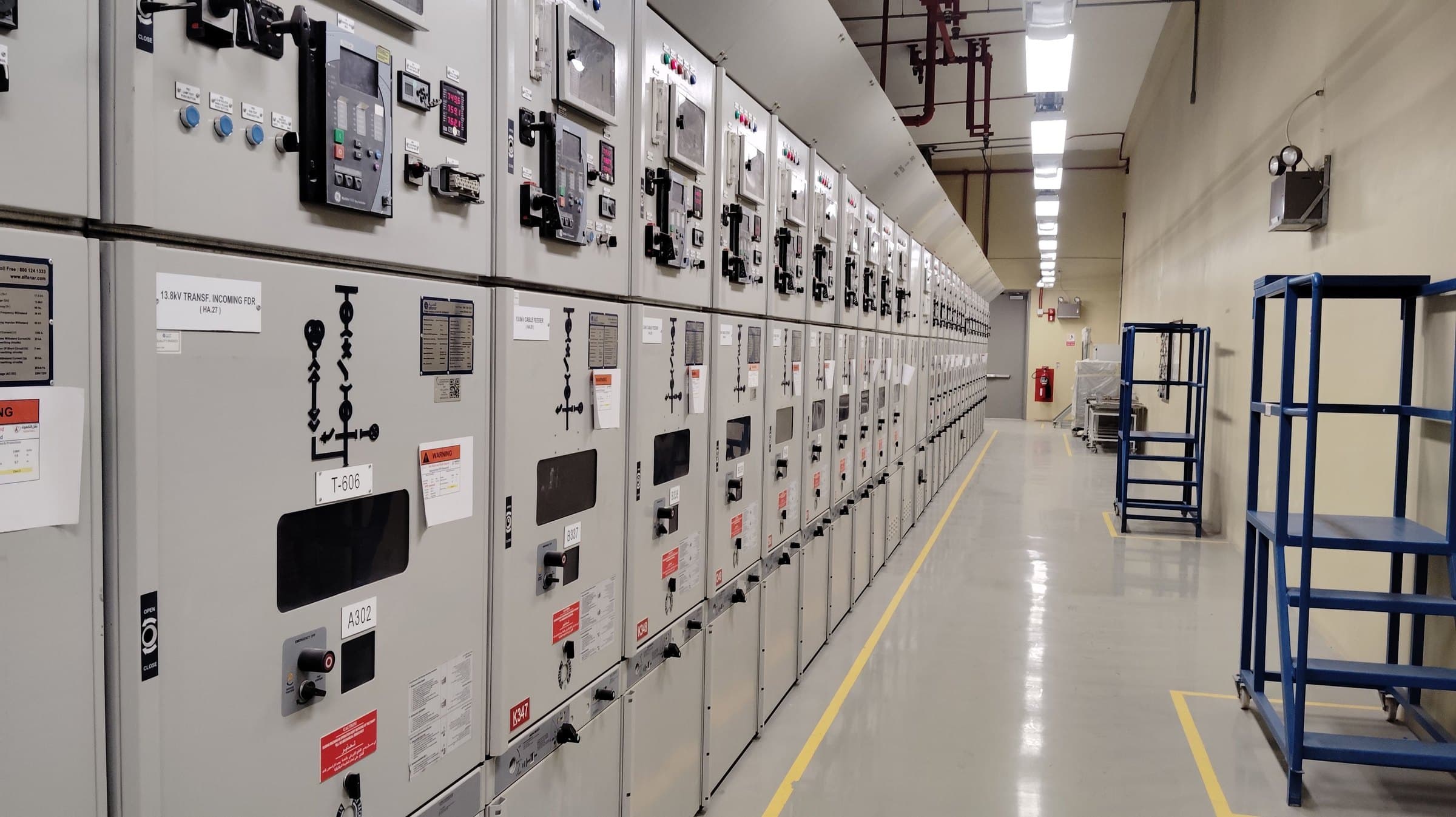
Establish existing conditions, system limitations and available capacity before determining what needs to change.
Facility Consulting · Design & Modernization
Infrastructure projects often begin with a known need but no clearly defined path forward. nuValence works with facility teams and Schneider Electric Consulting Services to assess existing conditions, evaluate project feasibility and establish the technical requirements needed to move a project forward.
Why it matters
Replacing aging infrastructure, adding capacity or introducing new technology can affect systems throughout the facility. Decisions made early in the project often determine cost, complexity and the options available later.
This is a familiar pattern across the Bahamas and the wider Caribbean, where much of the electrical infrastructure in service today was installed decades ago.
Early technical assessment helps establish what exists today, what the facility needs to accomplish and which solutions are practical before significant commitments are made.
Establish existing conditions, system limitations and available capacity before determining what needs to change.
Assess technical requirements, constraints and implementation considerations before committing to a project approach.
Develop the technical information required to support budgeting, equipment selection, detailed engineering and implementation.
Facility Consulting · Design & Modernization
Design & Modernization deliveryOur approach
We begin with the facility objective rather than a predetermined product or solution. Existing infrastructure, operating requirements, available documentation and future needs are reviewed to establish the technical basis for the project. From there, potential approaches can be evaluated and developed to the level required for the next stage. Depending on the engagement, this may include:
What we deliver
The appropriate scope depends on how far the project has progressed. nuValence can support everything from initial investigation and concept development through technical coordination with engineering and construction teams. Together with Schneider Electric Consulting Services, we draw on extensive project and engineering experience to guide the approach and provide the technical services required at each stage, including:
When to consider Design & Modernization services
The strongest projects begin by defining what the facility needs to accomplish, understanding the existing infrastructure and identifying the constraints that may shape the solution. Design and modernization support may be appropriate when:
You do not need to arrive with a completed scope. Early involvement helps establish the right questions, technical requirements and project constraints before major design, equipment or procurement decisions are made.
How we work
We begin with what the facility needs to accomplish, why the project is being considered and the operational requirements that need to be protected.
Infrastructure, available documentation, system constraints and operating requirements are reviewed to establish the project's technical starting point.
Potential approaches are evaluated against technical requirements, facility constraints, implementation considerations and future needs.
Schneider Electric Consulting Services contributes specialized engineering analysis as part of this evaluation.
The preferred approach is translated into recommendations, technical requirements, project documentation and next steps appropriate to the stage of the project.
Frequently asked
You don't need to arrive with a completed scope. Many projects begin with a known need and no clearly defined path forward, and that's a normal starting point. We typically start with the goal you're trying to reach and work backwards from there, establishing the right questions, technical requirements and project constraints before major design, equipment or procurement decisions are made.
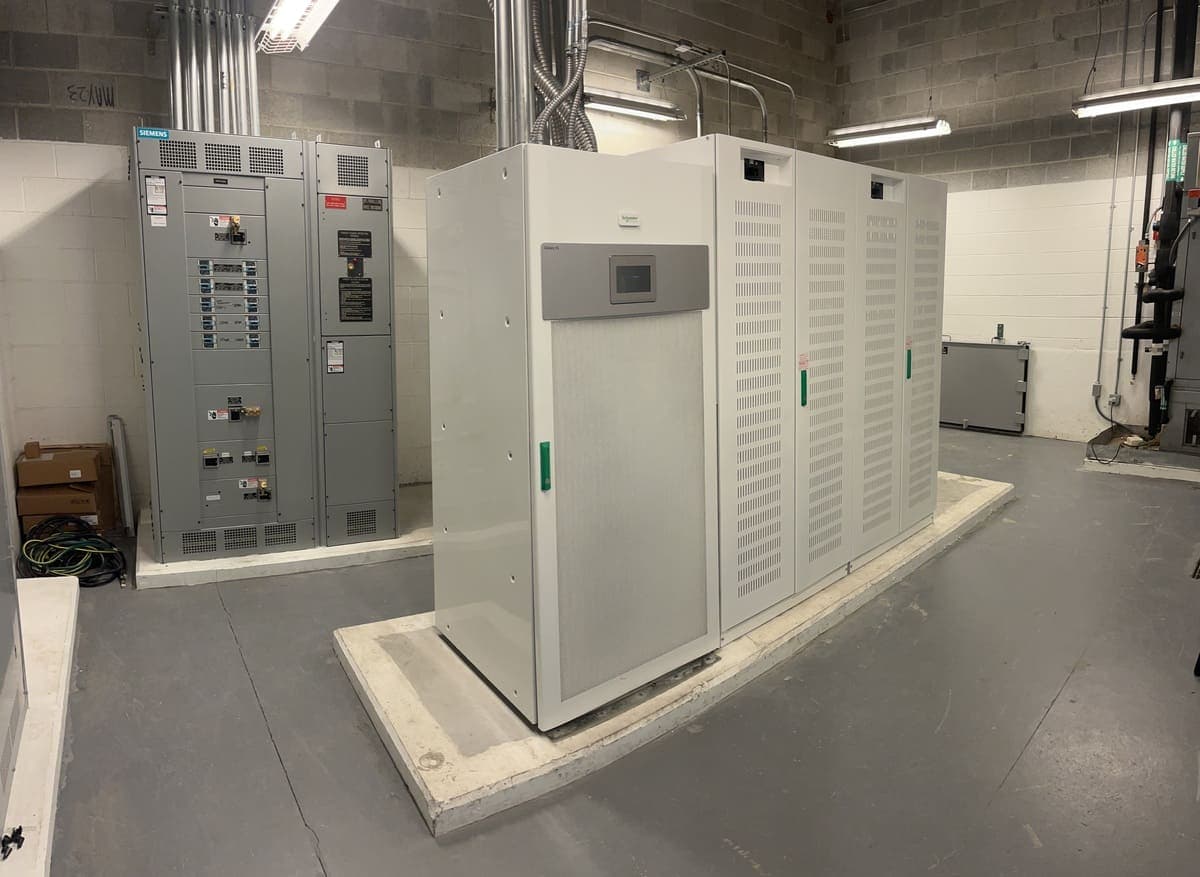
One example: a client wanted to add three racks to their data room, with a maximum load of 7 kW per rack, just over 21 kW of additional critical load in total. Their existing UPS units were aging and needed to be replaced, and they wanted full redundancy going forward, with two UPS units rather than a single unit carrying the load. Starting from that goal and working backwards, we established the additional capacity required, reviewed the redundant UPS configuration needed to support it, and evaluated how the added load would affect the facility's generators and electrical distribution, completing the supporting calculations directly.
Replacing aging infrastructure, adding capacity or introducing new technology can affect systems throughout the facility, not only the equipment being replaced. Decisions made early in a project often determine cost, complexity and the options available later, so understanding the surrounding infrastructure before committing to specific equipment is part of getting the project right the first time.
A feasibility study evaluates whether a proposed infrastructure project is technically and practically viable before significant design or procurement commitments are made, considering existing infrastructure, system capacity, technical alternatives, equipment requirements, site constraints and preliminary costs. It gives the project team enough information to decide whether to move forward, change direction or develop the idea further, well before a full design is underway.
That's one of the more common starting points, not a barrier. Incomplete drawings or system information is treated as part of the current state to work from, and part of an early assessment is establishing what actually exists today before evaluating what's possible.
nuValence combines in-house technical drafting with field verification to update client drawings directly, so the documentation used for a project reflects what is actually installed rather than only what was originally designed or last recorded.
The project's engineer of record retains responsibility for final engineering design, applicable code compliance and professional approval. nuValence supports that engineer through field investigation, technical drafting, equipment application, project development and coordination, reducing the technical legwork required rather than replacing that role.
Where a project involves specialized systems or less common applications, Schneider Electric Consulting Services brings additional experience and technical expertise to help evaluate options, address technical challenges and develop the appropriate design approach, working alongside nuValence's local project team rather than in place of it.
Equipment is evaluated against the technical requirements of the project rather than selected on individual specifications alone. That includes system compatibility, electrical characteristics, operating environment, maintainability, manufacturer support, installation requirements and future service needs, coordinated directly with technical and application engineering resources.
Common starting points include planning to replace aging or obsolete electrical infrastructure, adding significant new equipment or load, or evaluating whether an existing system can support expansion, even before a specific project is fully defined. A known project requirement without a defined solution yet is itself a reason to start the conversation.
That's a common driver for modernization on its own. In one engagement, a client's existing switchgear relied on original sensors, relays and timers that were failing and no longer in production, and generator switching times had been gradually increasing as those timers slipped. Rather than replace the switchgear itself, nuValence replaced the obsolete relays and timers with a new PLC controller and interface screen that took over those functions and added the ability to program the system locally, preserving the existing switchgear enclosure and breakers and avoiding the extended outage a full replacement would have required.
The nuValence difference
We begin with what the facility needs to accomplish before determining which equipment or technical approach should be used.
New equipment does not operate in isolation. We consider how proposed changes interact with the electrical system, facility operations and surrounding infrastructure.
Our in-house technical team works alongside Schneider Electric Consulting Services to develop drawings, equipment information, schedules and project documentation that support the consulting engineer and broader project team.
Equipment availability, installation requirements, commissioning, manufacturer support, maintainability and future service needs are considered while there is still time to influence the project.
In Practice
One client wanted to add three racks to their data room, with a maximum load of 7 kW per rack, and needed to replace their existing, aging UPS units with full redundancy going forward, two UPS units rather than a single unit carrying the load. Starting from that goal and working backwards, nuValence established the additional capacity required, reviewed the redundant UPS configuration needed to support it, and evaluated how the added load would affect the facility's generators and electrical distribution, completing the supporting calculations directly. In-house technical drafting combined with field verification was used to update the client's drawings so the project team was working from documentation that reflected what was actually installed.
In another engagement, a client's existing switchgear relied on original sensors, relays and timers that were failing and no longer in production, and generator switching times had been gradually increasing as those timers slipped. Rather than replace the switchgear itself, nuValence replaced the obsolete relays and timers with a new PLC controller and interface screen that took over those functions and added the ability to program the system locally. This preserved the existing switchgear enclosure and breakers, avoiding the extended outage and downtime a full switchgear replacement would have required.
Working with the project engineer
nuValence supports the project's engineer of record through field investigation, technical drafting, equipment application, project development and coordination. Where projects involve specialized systems or less common applications, Schneider Electric Consulting Services brings additional experience and technical expertise to help evaluate options, address technical challenges and develop the appropriate design approach.
The engineer of record retains responsibility for final engineering design, applicable code compliance and professional approval. Our combined role is to reduce the technical legwork required and provide the information, documentation, equipment knowledge and specialized resources needed to move the design efficiently toward implementation.
Specialized engineering support
nuValence provides local technical development and project coordination, in collaboration with Schneider Electric Consulting Services and other trusted engineering partners for specialized power system analysis, design assurance and feasibility support.
This allows the project team to access specialized expertise while maintaining local coordination and knowledge of the facility.
Related
 Facility Consulting
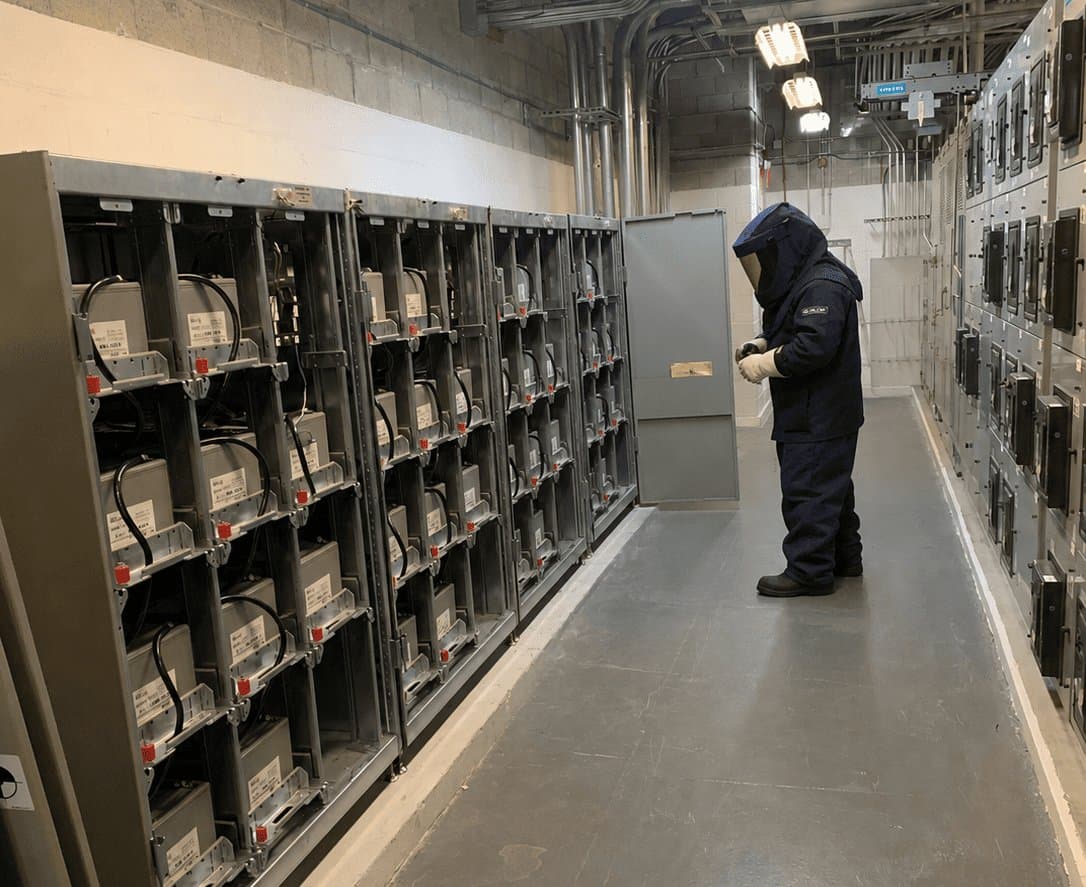
Electrical systems change over time. Loads are added, equipment is replaced, protect…
 Facility Consulting
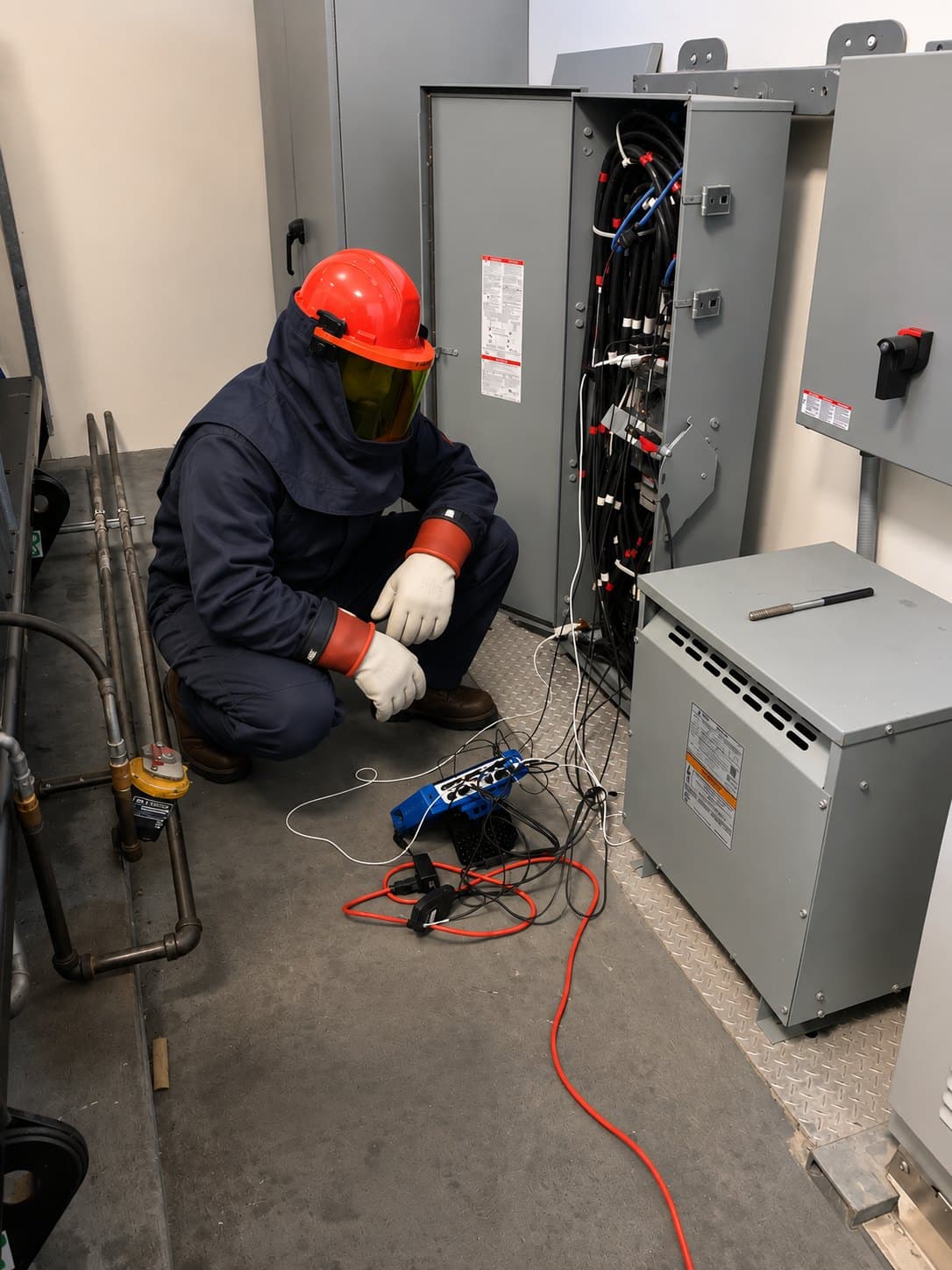
Power quality problems can cause equipment faults, unexpected shutdowns, overheating…
 Facility Consulting
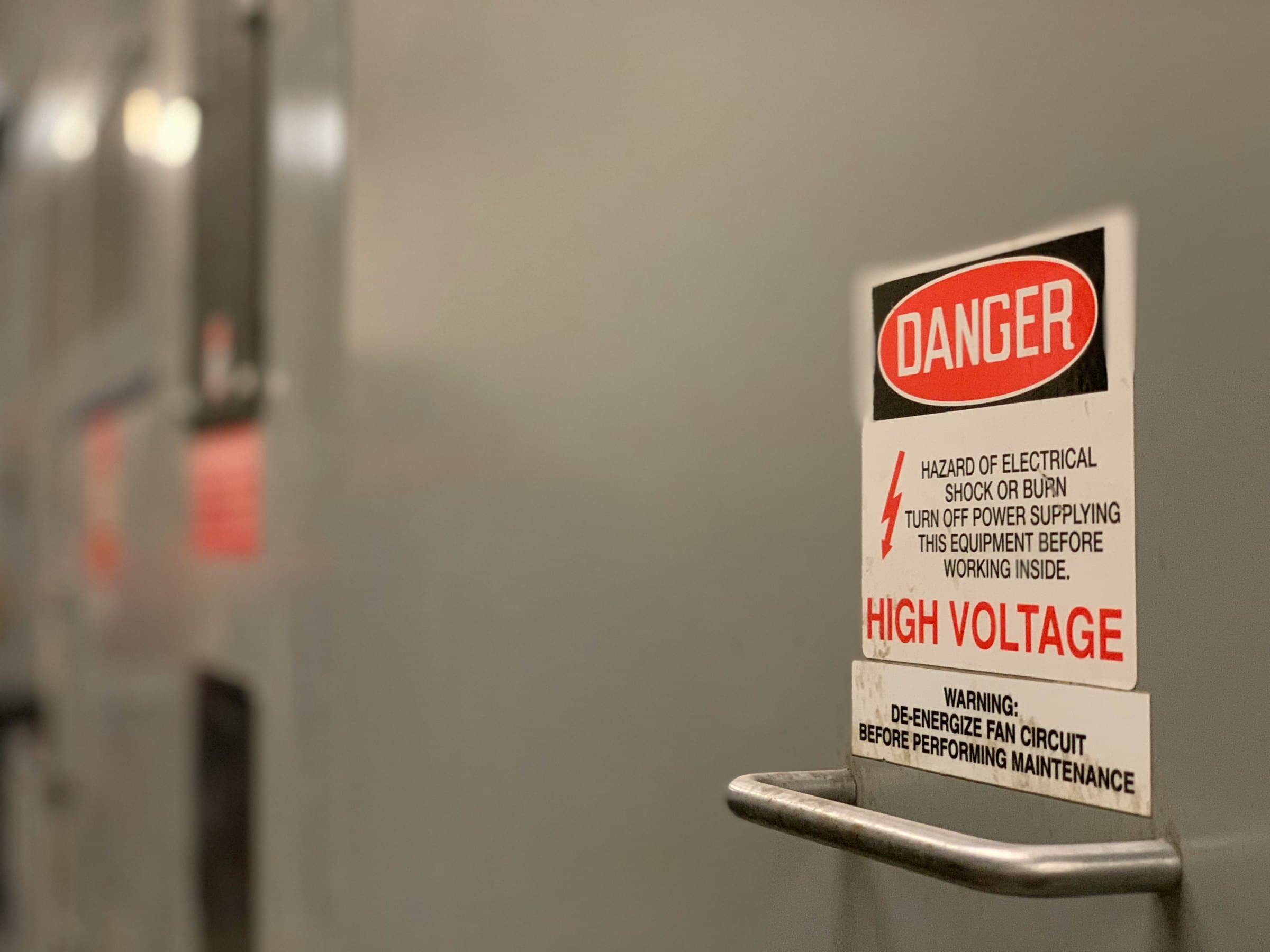
Electrical safety requires more than a study or a set of labels. nuValence works wit…
Start the conversation
Start with what the facility needs to accomplish. We can help assess existing conditions, evaluate the options and develop the technical foundation required to determine the appropriate next step.