
Identify the source
Monitoring and field investigation help determine whether disturbances originate from the utility, facility distribution system, connected equipment or interactions between systems.
Facility Consulting · Power Quality Studies
Power quality problems can cause equipment faults, unexpected shutdowns, overheating and unexplained operational issues. We combine field measurements, monitoring and technical analysis to identify the cause and recommend corrective action, supported by Schneider Electric Consulting Services when specialized engineering expertise is required.
Why it matters
When critical equipment alarms, resets or fails unexpectedly, replacing the affected equipment may not address the underlying cause.
Voltage disturbances, harmonics, switching events, grounding issues and interactions between equipment can create problems that are difficult to identify without capturing what is happening within the electrical system.
In the Bahamas, standby generation is a common part of the electrical picture, and utility power delivered to a facility does not always fall within the voltage tolerance sensitive equipment actually needs. This is one of the more common regional contributors to the disturbances described above.
Power quality studies provide the data and analysis needed to move from symptoms to evidence.
Monitoring and field investigation help determine whether disturbances originate from the utility, facility distribution system, connected equipment or interactions between systems.
Identify electrical conditions that may contribute to overheating, nuisance alarms, equipment faults or premature component failure.
Use measured data and technical analysis to determine whether corrective action is required and where investment should be focused.
Facility Consulting · Power Quality Studies
Designed power quality studies deliveryOur approach
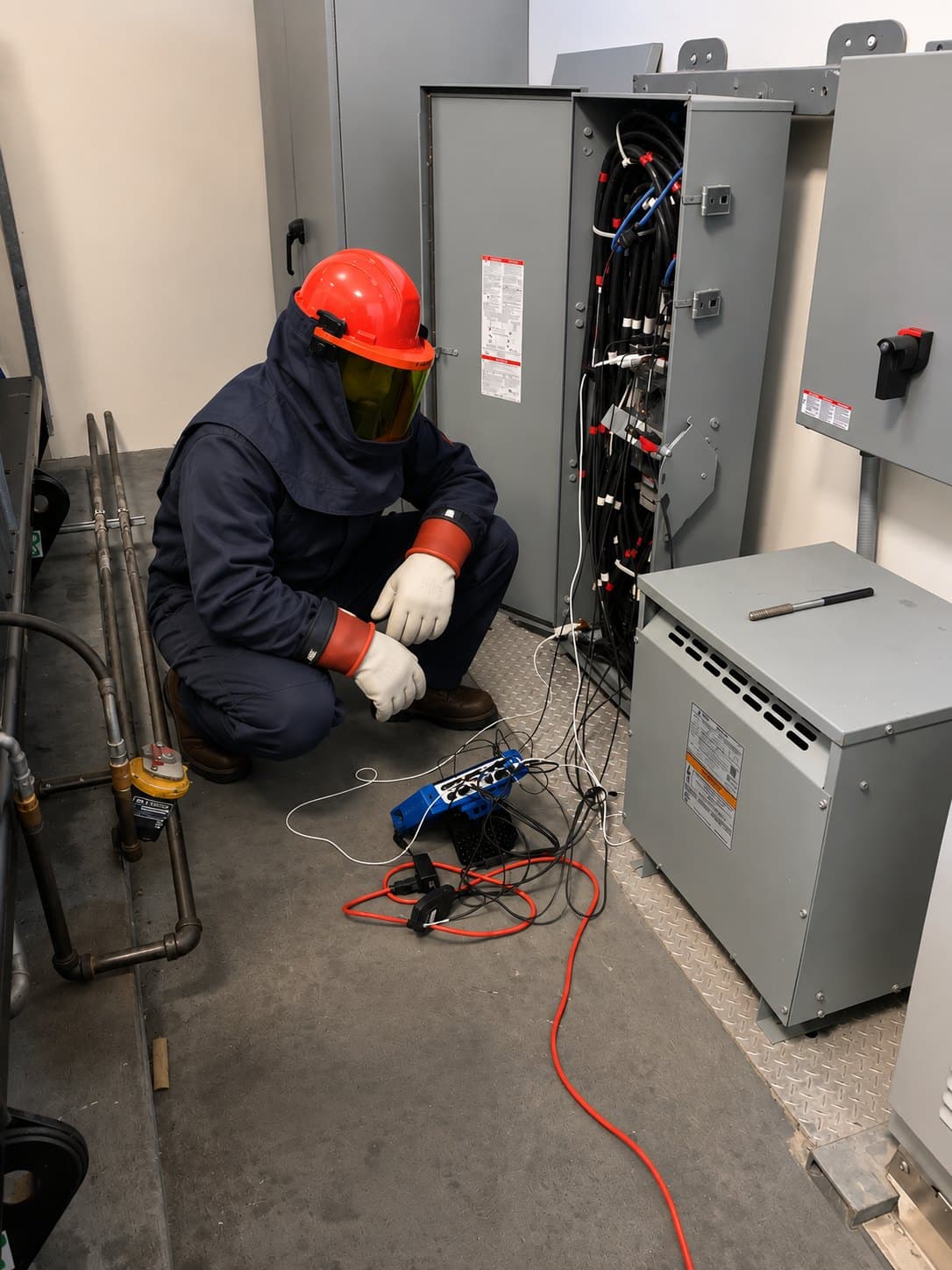
Power quality problems can be intermittent and may only occur during specific operating conditions. We begin by understanding the symptoms, affected equipment and operating history before determining where and how the electrical system should be monitored.
Temporary or existing power quality meters can then capture electrical conditions over an appropriate period. The resulting data is analyzed alongside equipment events, operating sequences and facility conditions to identify correlations and potential causes.
For more detailed analysis, nuValence collaborates with Schneider Electric Consulting Services to model system behaviour and evaluate potential corrective measures.
What we deliver
The appropriate study depends on the symptoms, equipment and electrical system involved. nuValence begins with troubleshooting and monitoring, then brings in Schneider Electric Consulting Services for specialized engineering analysis.
When to consider a power quality study
A power quality investigation may be appropriate when your facility is experiencing:
You do not need to identify the electrical phenomenon before contacting us. The investigation begins with understanding what the facility is experiencing.
How we work
We review the symptoms, affected equipment, operating history and conditions surrounding the reported events.
Available drawings, metering and system information are reviewed to determine the appropriate monitoring locations and data required.
Electrical measurements are compared with equipment events and operating sequences to identify patterns, disturbances and potential causes.
Schneider Electric Consulting Services collaborates with our team to evaluate more complex system behaviour through specialized engineering analysis.
Findings are translated into practical recommendations, which may include corrective work, equipment changes, additional engineering studies or continued monitoring.
Frequently asked
These symptoms often point to a power quality issue rather than a defect in the equipment itself. Voltage disturbances, harmonics, switching events, grounding issues and interactions between pieces of equipment can create problems that are difficult to identify without capturing what is actually happening within the electrical system. A power quality study investigates the electrical conditions directly rather than starting from an assumption about the cause.
We combine field measurements, monitoring and technical analysis. Temporary or existing power quality meters capture electrical conditions over an appropriate period, and the resulting data is analyzed alongside equipment events, operating sequences and facility conditions to identify correlations and likely causes.
It's possible. Monitoring and field investigation help determine whether a disturbance originates from the utility, the facility's own distribution system, connected equipment, or an interaction between systems, rather than assuming the source before the data is in.
Utility power can be present while the voltage is outside the acceptable operating range of sensitive equipment. UPS systems typically operate within defined input voltage tolerances and may transfer to battery when incoming voltage moves outside those limits. Depending on the UPS and its configuration, these limits can be relatively tight, with ranges such as approximately 15 percent below to 10 percent above nominal voltage.
This becomes a facility level issue when the automatic transfer switch does not recognize the same condition as unacceptable power. Some transfer switches may not provide overvoltage protection, while others require the appropriate voltage limits to be configured. In that situation, the UPS can remain on battery while the facility continues to accept utility power, potentially exhausting the available battery runtime even though power is still present.
Coordinating transfer switch settings with the operating tolerances of critical equipment helps ensure that unacceptable utility conditions initiate the appropriate response. Power quality monitoring can then verify the incoming conditions and help determine whether voltage, frequency or another electrical disturbance is causing the UPS to transfer.
Street lights being on tells you utility power is present. It doesn't tell you whether that power is within the tolerance your sensitive equipment actually needs. A facility's own generator can keep running specifically to protect equipment from power that is technically present but out of tolerance. Voltage quality issues like this aren't something you can see the way you can see an outage, which is part of why they can be hard to diagnose without monitoring and analysis.
No. You do not need to identify the electrical phenomenon before contacting us. The investigation starts with understanding what the facility is experiencing, not with a pre-existing diagnosis.
That's common with power quality problems, and it's part of what monitoring is built to catch. Electrical events that occur intermittently and cannot be reproduced during a single service visit are one of the more frequent reasons facilities pursue a study in the first place.
A transfer between generator and utility is a switching event, and switching events can produce their own short-duration electrical disturbances, separate from whatever condition caused the transfer in the first place. Utility transfers, generator transitions and similar switching activity are exactly the kind of event a switching transient analysis is built to evaluate, to help determine whether the switching itself is contributing to equipment alarms, unexpected transfers or other issues around the transition, rather than the equipment being at fault.
Nonlinear loads such as variable frequency drives, UPS systems and other power electronic equipment can create voltage and current distortion. Where applicable, this is evaluated against IEEE 519 recommendations to help determine whether mitigation or further analysis is required.
For more detailed analysis, such as modeling system behavior or evaluating potential corrective measures for more complex conditions, nuValence collaborates with Schneider Electric Consulting Services as a standing part of the process.
The nuValence difference
We begin with what the facility is experiencing rather than assuming a particular electrical cause or prescribing a study before understanding the symptoms.
Monitoring locations are selected around the electrical architecture and affected equipment so the data can help isolate where a disturbance originates.
We look beyond the waveform by correlating electrical events with equipment alarms, transfers, operating sequences and other facility conditions.
Where an issue is identified, nuValence can help determine and implement the appropriate next step, from specialized engineering analysis with Schneider Electric Consulting Services to electrical modifications, equipment changes or ongoing monitoring.
Specialized engineering support
nuValence provides local site assessment, monitoring, data collection and technical coordination, in collaboration with Schneider Electric Consulting Services for advanced electrical modelling and specialized engineering analysis.
This approach connects specialized power system expertise with field knowledge of the facility and its operating environment.
Related
 Facility Consulting
Electrical systems change over time. Loads are added, equipment is replaced, protect…
 Facility Consulting
Infrastructure projects often begin with a known need but no clearly defined path fo…
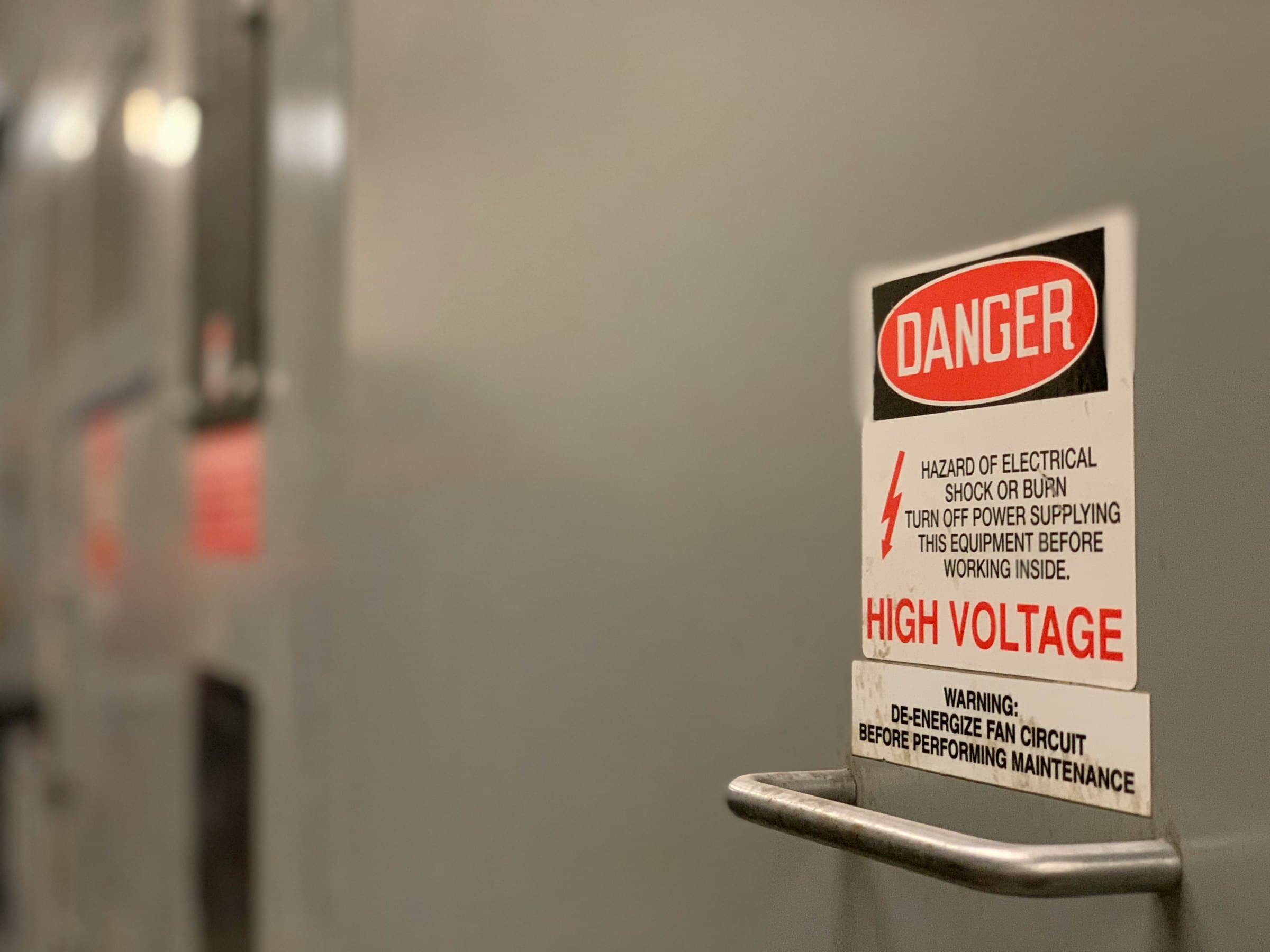 Facility Consulting
Electrical safety requires more than a study or a set of labels. nuValence works wit…
Start the conversation
Start with the symptoms. Tell us what the facility or equipment is experiencing, and we can help determine the appropriate monitoring, investigation or study required to identify the cause.