
Maintain equipment systematically
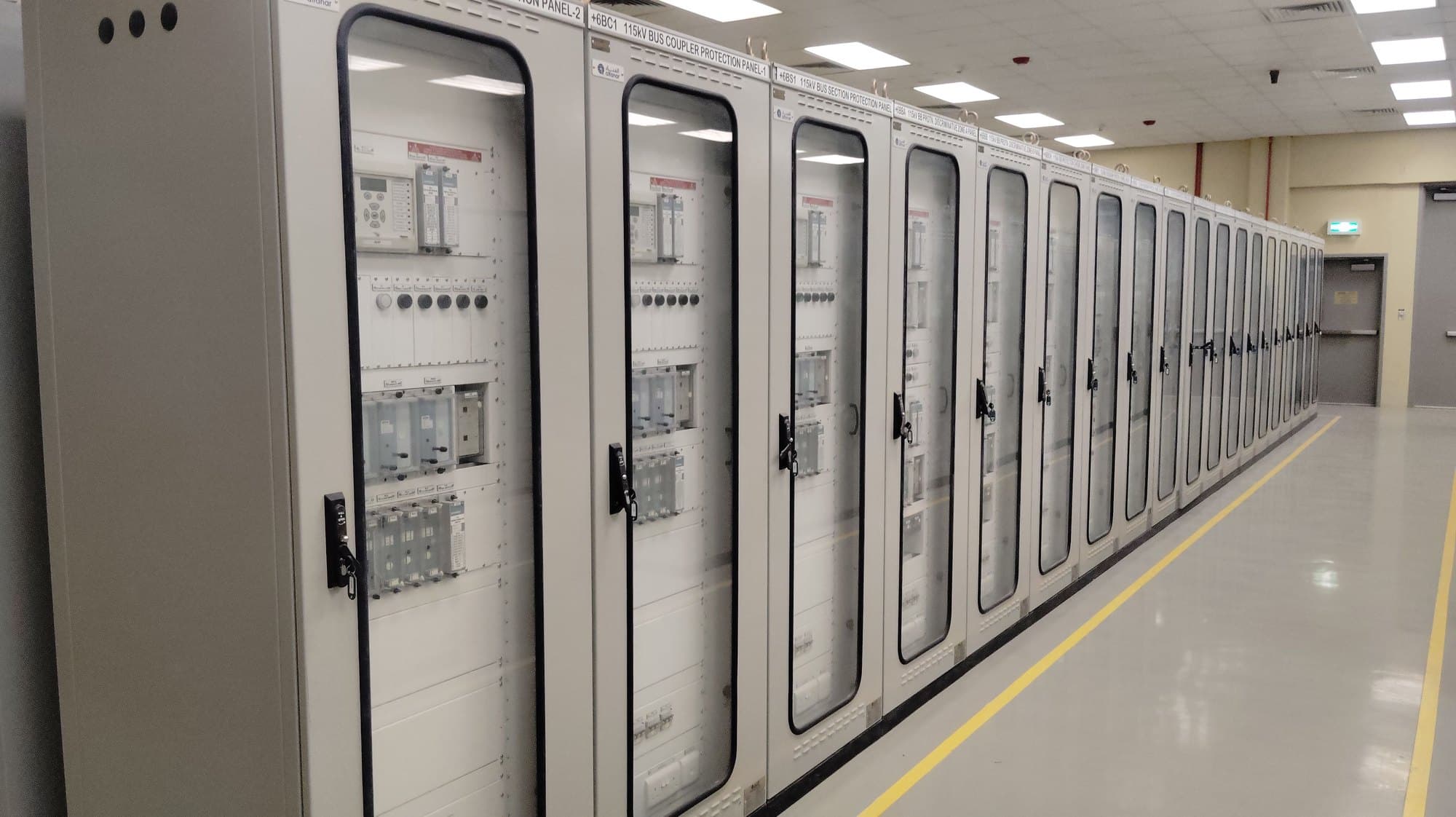
Structured electrical maintenance programs help facility teams determine what equipment requires inspection and maintenance, how frequently work should be performed and how results should be documented.
Facility Consulting · Safety & Compliance
Electrical safety requires more than a study or a set of labels. nuValence works with facility teams and Schneider Electric Consulting Services to develop structured maintenance, safe work practices and electrical safety programs that translate technical requirements into practical procedures for the people responsible for operating and maintaining the facility.
Why it matters
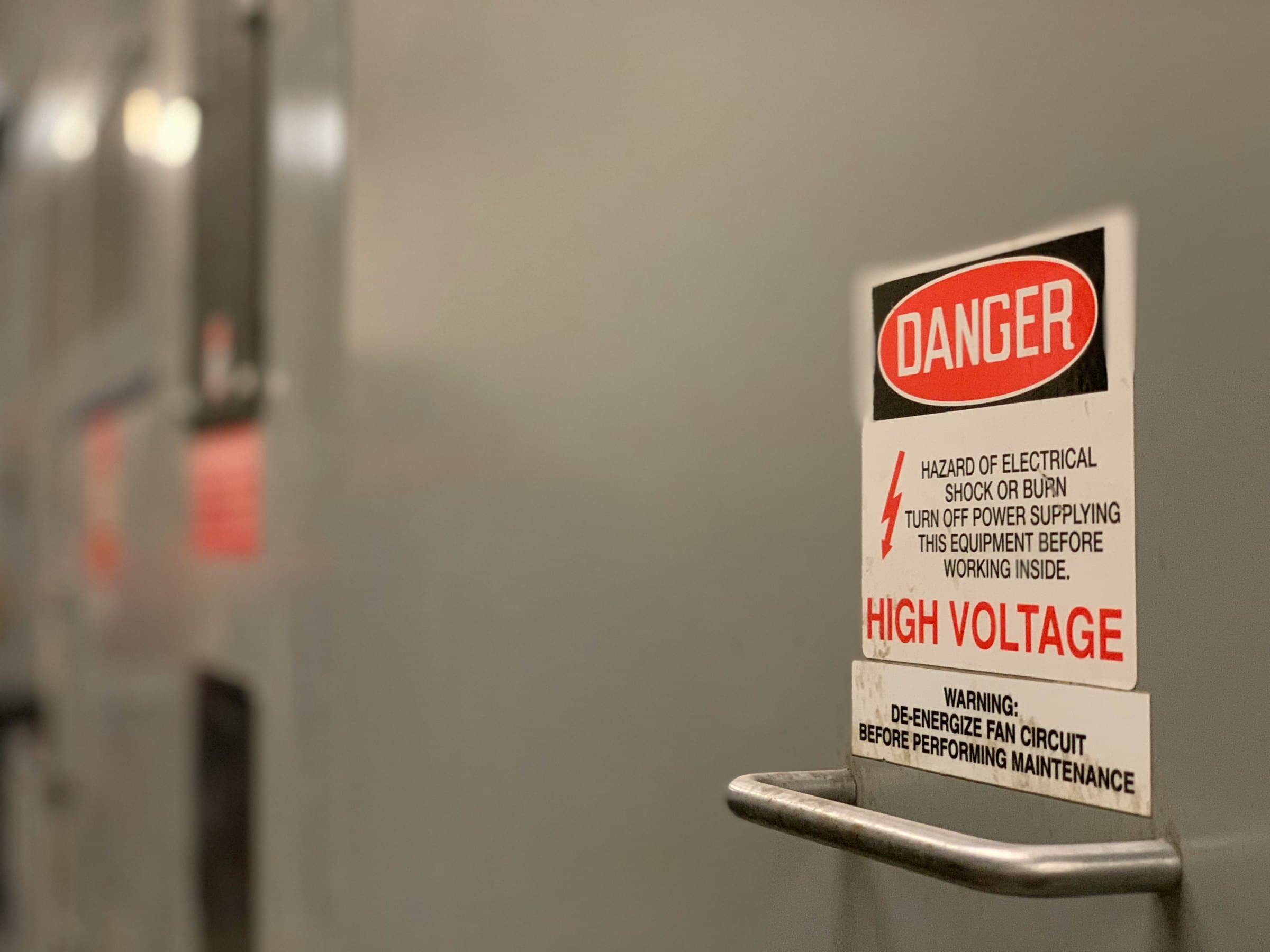
Studies can identify hazards and standards can establish requirements, but the facility still needs practical processes for inspecting equipment, performing maintenance and completing electrical work safely.
Effective electrical safety programs connect the condition of the infrastructure with the people, procedures and maintenance practices used to manage it.
This is especially relevant across the Bahamas and the wider Caribbean, where facilities regularly plan around weather-related disruption and aging utility infrastructure, both of which put added pressure on maintenance and safe work practices.
Humidity, salt air and storm exposure are also common across the region, and can accelerate wear on electrical equipment. Maintenance intervals should account for these operating conditions, along with equipment criticality, rather than relying on a generic, one-size-fits-all schedule.
Structured electrical maintenance programs help facility teams determine what equipment requires inspection and maintenance, how frequently work should be performed and how results should be documented.
Clear procedures help personnel understand how electrical work should be planned, authorized and performed around energized equipment.
Translate applicable standards, study findings and facility conditions into practical programs that can be implemented, documented and maintained over time.
Facility Consulting · Safety & Compliance
Designed safety & compliance deliveryOur approach
Electrical safety programs should reflect the equipment, operating environment, personnel and maintenance responsibilities of the facility. We begin by understanding existing infrastructure and current practices, then identify gaps and develop the procedures, documentation and recommendations required to strengthen the program. Depending on the engagement, this may include:
What we deliver
The appropriate scope depends on the facility, existing programs and the responsibilities of the teams operating and maintaining the electrical infrastructure. Together with Schneider Electric Consulting Services, we draw on extensive program development and engineering experience to guide the approach and provide the technical services required at each stage, including:
When to consider Safety & Compliance services
Safety and compliance support may be appropriate when:
The starting point depends on what is already in place. Existing programs can be assessed and improved without rebuilding the entire system from the beginning.
How we work
We begin with the facility's safety, maintenance or compliance objective and understand the teams responsible for operating and maintaining the electrical infrastructure.
Existing programs, procedures, studies, equipment information and facility practices are reviewed to establish the current state and identify gaps.
Facility conditions and existing practices are evaluated against applicable technical requirements and project objectives, with specialized engineering analysis provided in collaboration with Schneider Electric Consulting Services.
Findings are translated into updated programs, procedures, training requirements and prioritized recommendations that the facility team can implement and maintain.
Frequently asked
No. Existing programs can be assessed and improved without rebuilding the entire system from the beginning. The starting point depends on what is already in place, and the work usually focuses on closing specific gaps rather than replacing what already works.
An Electrical Maintenance Program (EMP) defines equipment inventories, maintenance tasks, frequencies, documentation requirements and responsibilities for inspecting and maintaining electrical equipment, and can be developed in alignment with NFPA 70B. Electrical Safe Work Practices (ESWP) address how personnel plan, authorize and perform work on or near electrical equipment, including energized work, approach boundaries and worker qualification, and can be developed with reference to NFPA 70E. The two work together: one covers the condition of the equipment, the other covers how people work around it.
A study identifies the hazard. A program is what turns that finding into something a facility team can actually use day to day: equipment labeling, incident energy information, approach boundaries, personal protective equipment requirements and the procedures for managing the hazard. Where an arc flash hazard analysis hasn't been completed, or no longer reflects the electrical system, that study can be coordinated as part of the broader engagement.
Lockout/Tagout (LOTO) procedures are developed or reviewed at the level of the specific equipment involved, addressing equipment-specific isolation requirements, roles and responsibilities, verification procedures and documentation, coordinated with existing facility safety practices rather than applied as a single generic procedure.
That's one of the more common starting points. Unclear responsibilities between facility personnel and contractors, and outdated or incomplete safety documentation, are both reasons facilities reach out, and both are addressed as part of building or updating the program rather than treated as a separate problem.
Training is aligned with the responsibilities of the personnel who operate, maintain or work around electrical infrastructure, covering hazard awareness, Electrical Safe Work Practices, arc flash requirements, personal protective equipment and Lockout/Tagout procedures as they apply to each role, rather than one training delivered the same way to everyone.
Facility conditions and existing practices are evaluated against applicable technical requirements and project objectives, with specialized engineering analysis provided in collaboration with Schneider Electric Consulting Services. Power system studies, arc flash analysis and facility assessments developed together with Schneider Electric Consulting Services feed directly into the procedures and practices the facility team ends up using.
Programs, procedures and records are structured so they can be reviewed, updated and built upon as equipment, personnel and facility requirements change, rather than documented once and left as is.
Humidity, salt air and storm exposure are common operating conditions across the Bahamas and the wider Caribbean, and can accelerate deterioration of electrical equipment. Maintenance intervals should consider the equipment, its operating environment, condition and criticality rather than relying on a generic schedule.
The nuValence difference
Programs are developed around the equipment, operating conditions and personnel responsible for the facility rather than treated as generic policy documents.
Equipment condition and maintenance practices directly influence electrical risk. We consider both as part of the broader approach to electrical safety.
Power system studies, arc flash analysis and facility assessments, developed together with Schneider Electric Consulting Services, provide valuable information. We help translate those findings into procedures and practices the facility team can use.
Programs, procedures and records are structured so they can be reviewed, updated and built upon as equipment, personnel and facility requirements change.
Specialized engineering support
nuValence combines local facility assessment, program development and implementation support with specialized expertise from Schneider Electric Consulting Services.
This allows electrical safety and maintenance programs to connect facility practices with the technical analysis of the electrical system.
Related
 Facility Consulting
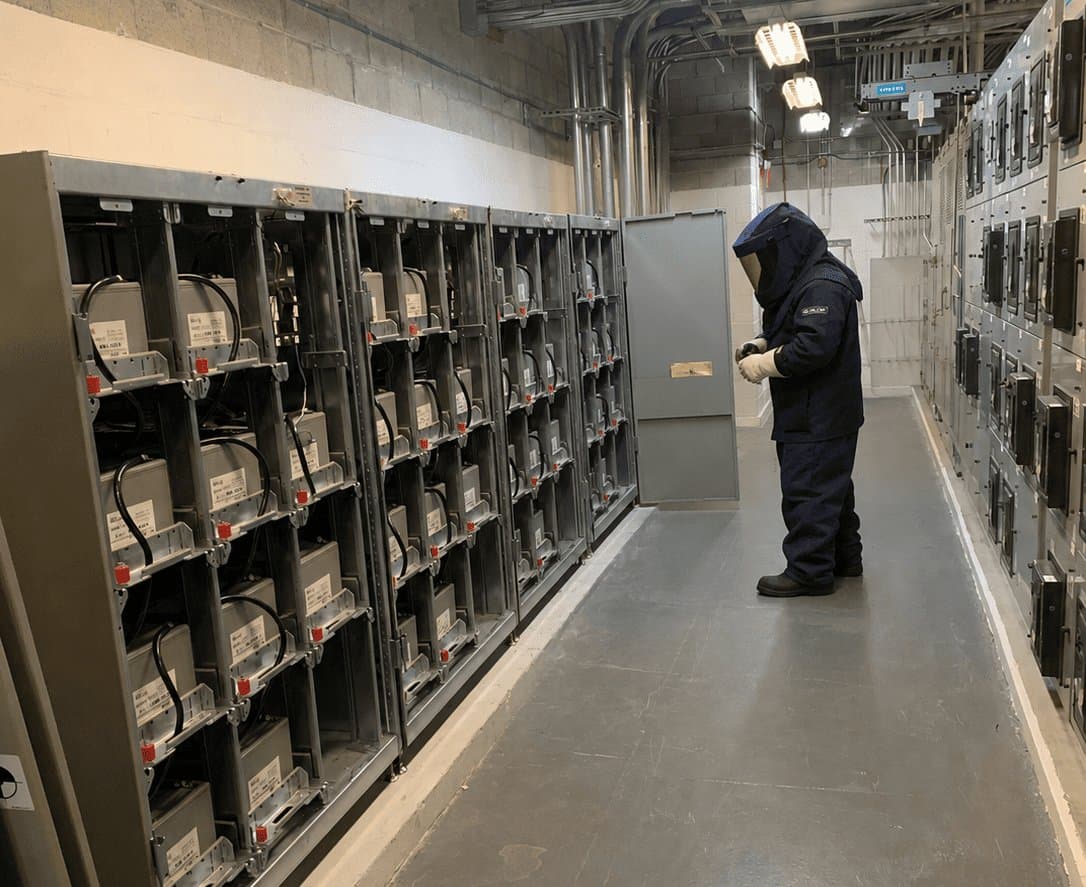
Electrical systems change over time. Loads are added, equipment is replaced, protect…
 Facility Consulting
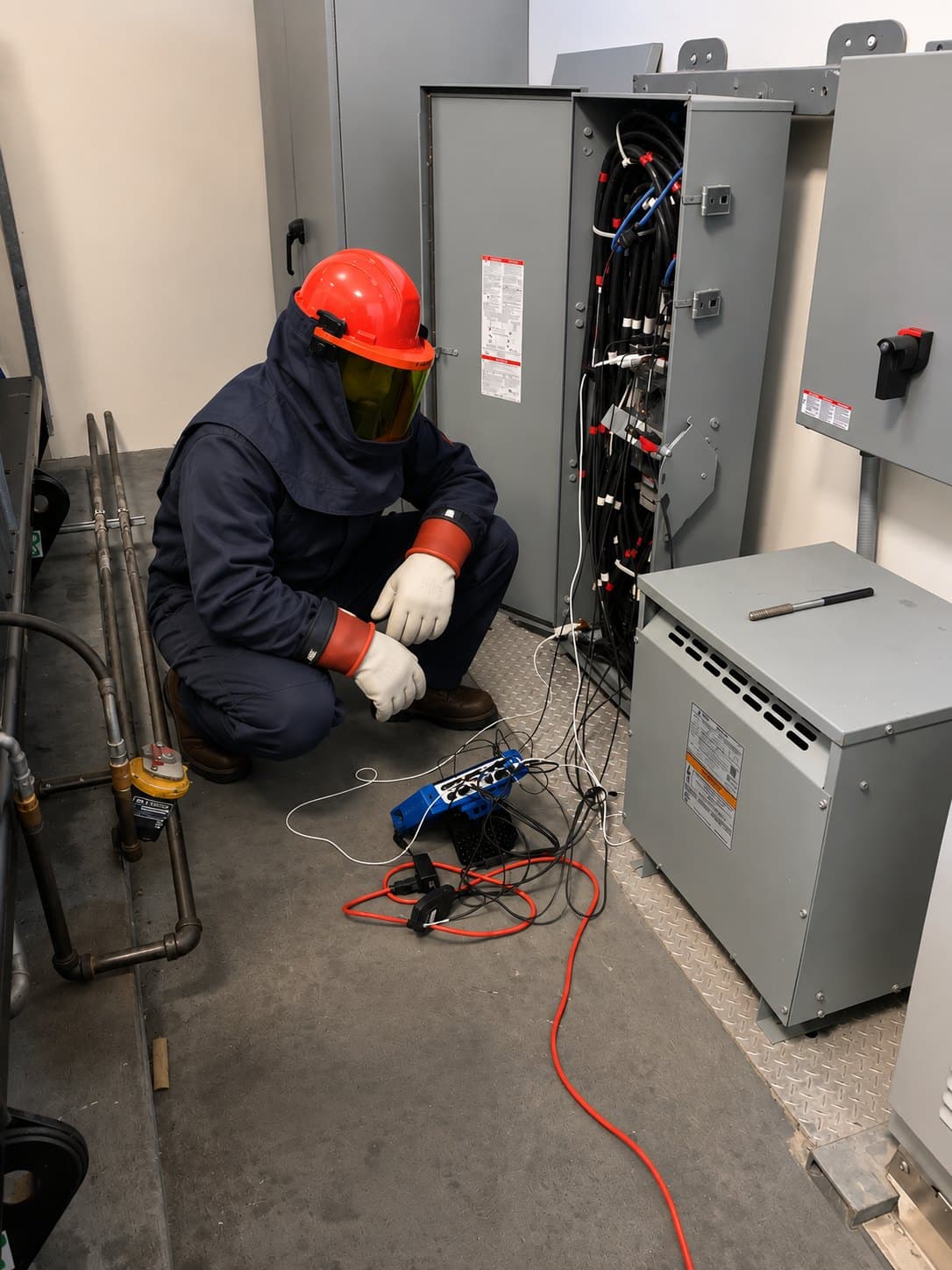
Power quality problems can cause equipment faults, unexpected shutdowns, overheating…
 Facility Consulting
Infrastructure projects often begin with a known need but no clearly defined path fo…
Start the conversation
Start with what you have today. We can review existing maintenance practices, safety procedures, electrical studies and facility requirements to help identify gaps and determine the appropriate next step.